

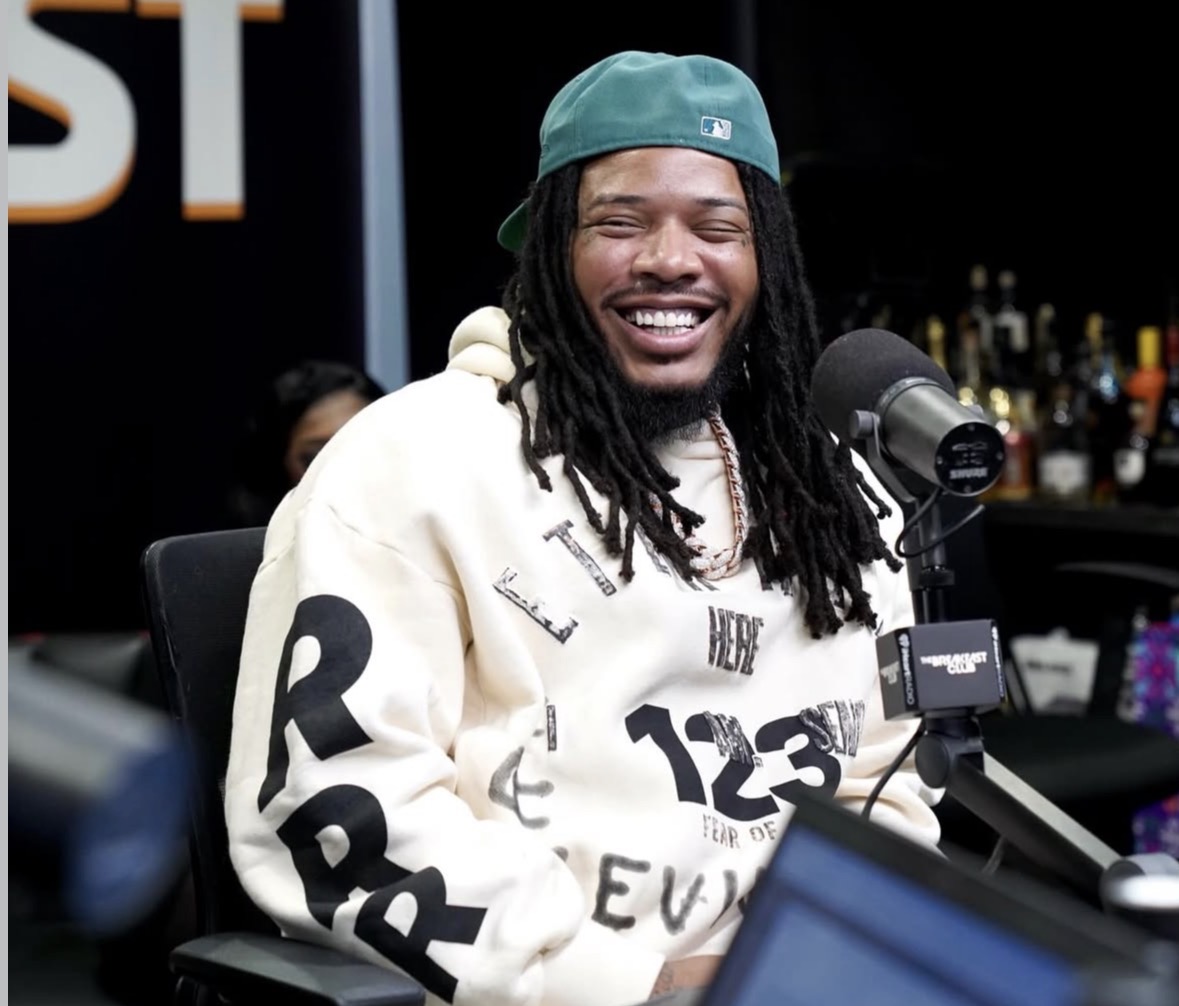
If you’re wondering why everyone is stuck in 2016, blame Fetty Wap and Tik Tok.
The internet doesn’t rewind often, but when it does, it moves fast. On New Year’s Day, celebrity publicist Abesi PR posted “2016 is back.” No explanation just a hashtag stating #Zoo. A few days later, her client, Fetty Wap, who also goes by Zoo re-emerged in New York after three years away. TikTok did an instant reset to 2016. Almost overnight, TikTok began to sound and feel like a throwback reel. Creators started layering classic Fetty Wap tracks over their videos—“Trap Queen,” “My Way,” “679,” “Again,” and even deep cuts like “Jugg”—back onto timelines with nostalgic captions, recreated aesthetics, and flashbacks to the mid-2010s vibe.
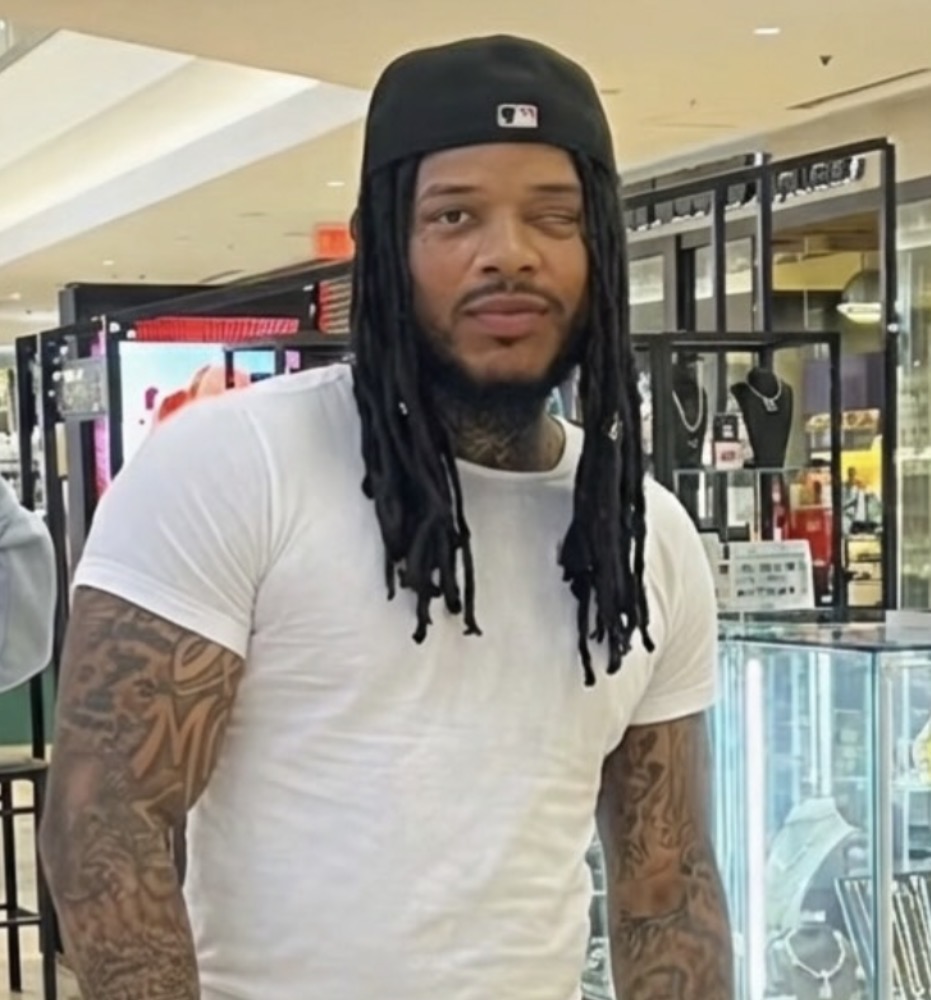
What began as short dance clips and edits quickly blossomed into full-on nostalgia, with trends built around outfits, memories, and moments tied to those songs. It wasn’t a coordinated rollout or a viral challenge. It was cultural memory snapping back into place. Millennials, Gen Z, and all of the above seem not to want to continue from 2025. 2025 seemed to be a challenging year for many. So perhaps disassociation is the answer. Fetty Wap’s return didn’t just spark streams; it unlocked an emotional rewind. For fans, his soundscape represents a time before hyper-polished algorithms, when hits felt universal, and life felt lighter. TikTok became the archive—and the amplifier—turning personal nostalgia into a collective experience. In a digital landscape obsessed with what’s next, this moment proved something rare: sometimes the most powerful reset is a reminder of what already moved us. For TikTok, 2016 didn’t come back slowly. It rushed in—hook first.